
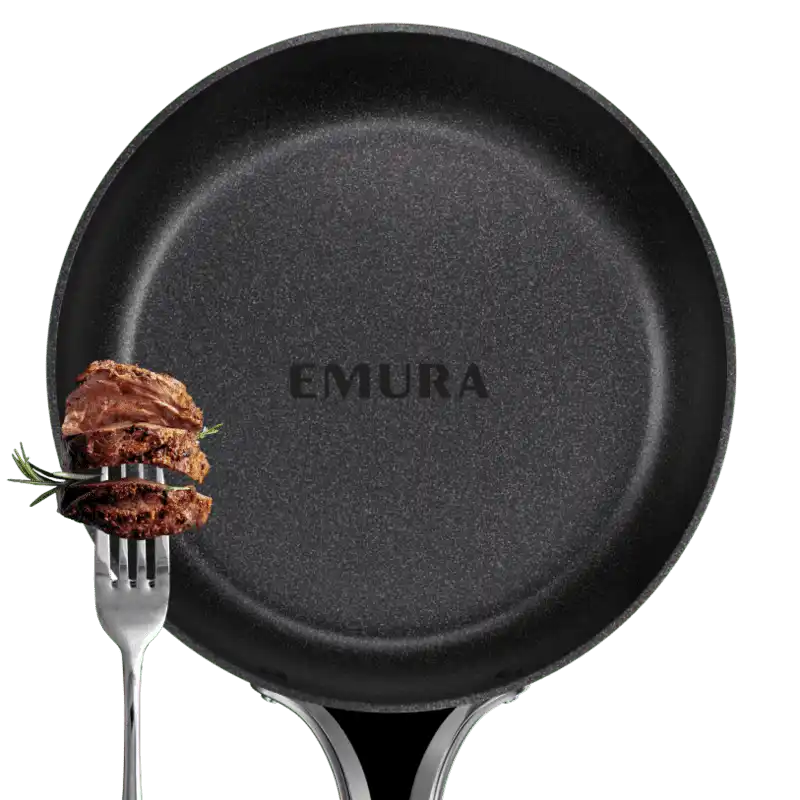

Healthy Non-Stick Cookware Review (2026)
A Complete Guide to Choosing Safe, Efficient, and Non-Toxic Non-Stick Cookware
When it comes to kitchen essentials, few tools are as versatile and widely used as non-stick cookware. Whether you’re frying an egg, sautéing vegetables, or simmering sauces, a reliable non-stick pan can make the difference between a stressful cooking session and an effortless experience.
But not all non-stick cookware is created equal. With rising concerns about chemical coatings and long-term health, many home cooks are seeking healthier non-stick options that balance performance, safety, and durability.
In this in-depth review, we’ll explain what healthy non-stick cookware is, key safety considerations, performance benefits, pros and cons, and how these innovative pans compare to traditional cookware.
What Is Healthy Non-Stick Cookware?
Healthy non-stick cookware refers to pots and pans that have a surface coating designed to prevent food from sticking — without relying on potentially harmful chemicals often found in older non-stick technologies.
Traditional non-stick coatings used chemicals such as PTFE and PFOA — substances that have raised concerns when overheated. Modern “healthy” non-stick cookware instead uses:
- Ceramic coatings
- Diamond-infused surfaces
- Multiple layers of reinforced coatings
- Non-toxic, PTFE-free manufacturing
The result is a cooking surface that minimizes sticking while prioritizing safety.
What Is Healthy Non-Stick Cookware?
Healthy non-stick cookware refers to pots and pans that have a surface coating designed to prevent food from sticking — without relying on potentially harmful chemicals often found in older non-stick technologies.
Traditional non-stick coatings used chemicals such as PTFE and PFOA — substances that have raised concerns when overheated. Modern “healthy” non-stick cookware instead uses:
- Ceramic coatings
- Diamond-infused surfaces
- Multiple layers of reinforced coatings
- Non-toxic, PTFE-free manufacturing
The result is a cooking surface that minimizes sticking while prioritizing safety.
Why Choose Healthy Non-Stick Cookware?
Understanding a knife’s structure helps you choose one that feels comfortable and performs well:
Why Choose Healthy Non-Stick Cookware?
Understanding a knife’s structure helps you choose one that feels comfortable and performs well:
🧑🍳 Safer Cooking
Healthy non-stick surfaces can reduce reliance on oils and fats, helping cooks prepare meals with less added fat and fewer calories.
🧑🍳 Safer Cooking
Healthy non-stick surfaces can reduce reliance on oils and fats, helping cooks prepare meals with less added fat and fewer calories.
🍳 Easier Clean-Up
Because food doesn’t cling to the surface, cleanup takes less time and effort.
🍳 Easier Clean-Up
Because food doesn’t cling to the surface, cleanup takes less time and effort.
🥦 Even Heating
Most modern non-stick cookware distributes heat evenly, reducing burnt spots and undercooked areas.
🥦 Even Heating
Most modern non-stick cookware distributes heat evenly, reducing burnt spots and undercooked areas.
🔋 Energy Efficient
Efficient heat transfer can result in quicker cooking with lower burner settings.
🔋 Energy Efficient
Efficient heat transfer can result in quicker cooking with lower burner settings.
How Does It Work?
Healthy non-stick cookware relies on engineered surfaces that provide a slick cooking layer. These surfaces typically avoid:
- PTFE (Polytetrafluoroethylene)
- PFOA (Perfluorooctanoic acid)
Instead, they may use:
✔ Ceramic coating
✔ Diamond or titanium reinforcement
✔ Multi-layer bonded materials
✔ Hard anodized aluminum cores
These alternatives are designed to:
- Resist scratching
- Reduce sticking
- Promote even heating
- Maintain long-lasting performance
How Does It Work?
Healthy non-stick cookware relies on engineered surfaces that provide a slick cooking layer. These surfaces typically avoid:
- PTFE (Polytetrafluoroethylene)
- PFOA (Perfluorooctanoic acid)
Instead, they may use:
✔ Ceramic coating
✔ Diamond or titanium reinforcement
✔ Multi-layer bonded materials
✔ Hard anodized aluminum cores
These alternatives are designed to:
- Resist scratching
- Reduce sticking
- Promote even heating
- Maintain long-lasting performance
Key Features to Consider
Not all non-stick cookware is equal. When choosing healthy non-stick options, look for:
Key Features to Consider
Not all non-stick cookware is equal. When choosing healthy non-stick options, look for:
1. Coating Type
✔ Ceramic: Often PTFE-free and more eco-friendly
✔ Reinforced non-stick: Layers bonded for durability
✔ Diamond or titanium enhanced: Improved scratch resistance
1. Coating Type
✔ Ceramic: Often PTFE-free and more eco-friendly
✔ Reinforced non-stick: Layers bonded for durability
✔ Diamond or titanium enhanced: Improved scratch resistance
2. Construction
- Hard-anodized aluminum: Strong and lightweight
- Stainless steel base: More durable heat response
- Layered metals: Better heat distribution
2. Construction
- Hard-anodized aluminum: Strong and lightweight
- Stainless steel base: More durable heat response
- Layered metals: Better heat distribution
3. Heat Tolerance
Healthy non-stick cookware typically works well up to medium-high heat. Avoid overheating — even with improved coatings.
3. Heat Tolerance
Healthy non-stick cookware typically works well up to medium-high heat. Avoid overheating — even with improved coatings.
4. Handle Comfort
Look for ergonomic, heat-resistant handles for safe and comfortable use.
4. Handle Comfort
Look for ergonomic, heat-resistant handles for safe and comfortable use.
Performance in Real Kitchens
Performance in Real Kitchens
Healthy non-stick cookware performs exceptionally well for:
✔ Eggs, omelets, and pancakes
✔ Sautéed vegetables
✔ Fish fillets
✔ Quick sauces
✔ Low-fat cooking
Healthy non-stick cookware performs exceptionally well for:
✔ Eggs, omelets, and pancakes
✔ Sautéed vegetables
✔ Fish fillets
✔ Quick sauces
✔ Low-fat cooking
However, they may be less ideal for:
✖ Broiling under intense heat
✖ Heavy searing compared to cast iron
✖ Metal utensil impact (if coating not reinforced)
However, they may be less ideal for:
✖ Broiling under intense heat
✖ Heavy searing compared to cast iron
✖ Metal utensil impact (if coating not reinforced)
Healthy Non-Stick vs Traditional Cookware
Healthy Non-Stick vs Traditional Cookware
| Feature | Healthy Non-Stick | Stainless Steel | Cast Iron |
|---|---|---|---|
Ease of Use | ★★★★★ | ★★☆☆☆ | ★★★☆☆ |
Cleanup | ★★★★★ | ★★☆☆☆ | ★★★★☆ |
Durability | ★★★★☆ | ★★★★★ | ★★★★★ |
Health & Safety | ★★★★☆ | ★★★★★ | ★★★★★ |
Non-Stick Performance | ★★★★★ | ★★☆☆☆ | ★★★☆☆ |
Pros and Cons of Chef Knives
Pros and Cons of Chef Knives
Pros
✔ Reduces need for cooking oils
✔ Easier food release
✔ Faster cleanup
✔ Lightweight and easy to handle
Pros
✔ Reduces need for cooking oils
✔ Easier food release
✔ Faster cleanup
✔ Lightweight and easy to handle
Cons
✖ Some coatings may wear over time
✖ Not ideal for high-heat searing
✖ Quality varies widely between products
Cons
✖ Some coatings may wear over time
✖ Not ideal for high-heat searing
✖ Quality varies widely between products
How to Cook Safely with Non-Stick
Follow these best practices:
How to Cook Safely with Non-Stick
Follow these best practices:
1. Avoid Overheating
Cooking above manufacturer-recommended temperatures can degrade coatings.
1. Avoid Overheating
Cooking above manufacturer-recommended temperatures can degrade coatings.
2. Use Non-Metal Utensils
Silicone, wood, and nylon tools protect surfaces.
2. Use Non-Metal Utensils
Silicone, wood, and nylon tools protect surfaces.
3. Hand Wash
Dishwashers may wear down coatings faster.
3. Hand Wash
Dishwashers may wear down coatings faster.
4. Avoid Thermal Shock
Don’t rinse a hot pan immediately with cold water.
4. Avoid Thermal Shock
Don’t rinse a hot pan immediately with cold water.
Frequently Asked Questions
Frequently Asked Questions
Yes — modern, PTFE-free and PFOA-free coatings focus on safety and performance.
Final Verdict
Healthy non-stick cookware strikes a balance between usability, safety, and convenience. Whether you’re preparing low-fat meals, cooking for a family, or just want an easier cleanup routine, selecting cookware with quality non-toxic coatings can enhance your kitchen experience.
For everyday cooking tasks — from scrambled eggs to quick sautés — healthy non-stick cookware offers solid performance with minimal fuss.
Final Verdict
Healthy non-stick cookware strikes a balance between usability, safety, and convenience. Whether you’re preparing low-fat meals, cooking for a family, or just want an easier cleanup routine, selecting cookware with quality non-toxic coatings can enhance your kitchen experience.
For everyday cooking tasks — from scrambled eggs to quick sautés — healthy non-stick cookware offers solid performance with minimal fuss.